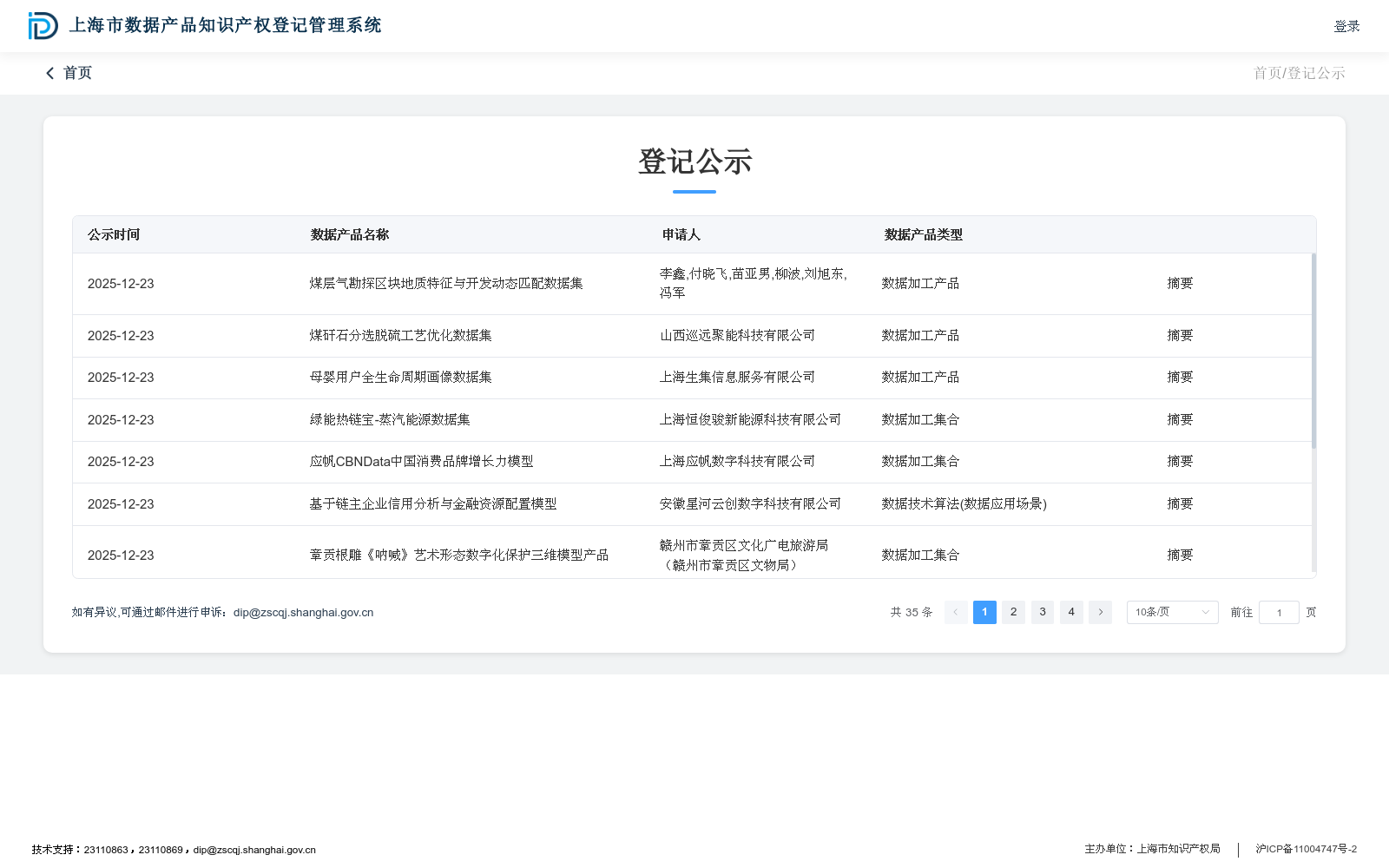
母婴用户全生命周期画像数据集
收藏资源简介:
数据以结构化方式存储,采用关系型数据库PostgreSQL把"交易订单、内容浏览、用户互动"三类业务系统产生的碎片化数据,按"一个用户一份档案"的视角重新串联、汇总、分层,形成"人—行为—偏好—价值"四大维度的完整画像,并通过1张画像宽表对外提供实时与离线的行为偏好服务,支撑精准营销、套餐智能推荐、生命周期运营与政策效果评估。该数据表用于管理母婴用户全生命周期运营策略与精准营销配置,是"千人千面"运营体系的核心基础表。表结构以user_id(用户唯一编号)为主键,包含用户基础信息(脱敏昵称、年龄段、城市、注册时间)及关键行为统计字段,金额单位均为分。用户身份与生命周期阶段由family_role(家庭角色)、lifecycle_stage(生命周期阶段)等基础字段决定。表内设置了多个业务标签字段,如baby_info(宝宝信息)、consumption_level(消费水平)、price_sensitivity(价格敏感度)、membership_level(会员等级),用于动态识别用户身份并匹配差异化运营策略。该表为推荐引擎、营销自动化系统与BI分析平台提供标准化的数据基础。
Data is stored in a structured format. Using the relational database PostgreSQL, fragmented data generated from three types of business systems including transaction orders, content browsing, and user interactions are reconnected, aggregated, and stratified from the perspective of "one user, one profile", forming a complete profile covering four dimensions of "person-behavior-preference-value". A single wide profile table is provided to offer real-time and offline behavioral preference services, supporting precision marketing, intelligent package recommendation, lifecycle operation, and policy effect evaluation. This data table is used to manage full-lifecycle operation strategies and precision marketing configurations for maternal and infant users, and serves as the core foundational table of the "one-thousand-users-one-thousand-faces" operation system. The table structure takes user_id (user unique identifier) as the primary key, including user basic information (desensitized nickname, age group, city, registration time) and key behavioral statistics fields, with all monetary amounts denominated in cents. User identity and lifecycle stage are determined by basic fields such as family_role (family role) and lifecycle_stage (lifecycle stage). Multiple business tag fields are set in the table, such as baby_info (baby information), consumption_level (consumption level), price_sensitivity (price sensitivity), and membership_level (membership level), which are used to dynamically identify user identities and match differentiated operation strategies. This table provides a standardized data foundation for recommendation engines, marketing automation systems, and BI analytics platforms.